

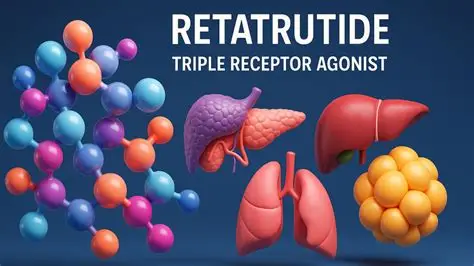
The Retatrutide research results for triple-agonist activity represent the cutting-edge of 2026 weight regulation studies. By targeting GLP-1, GIP, and Glucagon receptors, Retatrutide offers a broader metabolic impact than earlier dual agonists. Compare this to our Tirzepatide update for a full view of the landscape.
Triple-Pathway Mechanism
- GLP-1: Insulin secretion and appetite.
- GIP: Energy expenditure and lipid buffering.
- Glucagon: Increased thermogenesis.
Retatrutide Research Results for Triple‑Agonist Activity
1. Introduction
Retatrutide is an investigational peptide therapy that has attracted significant attention for its triple‑agonist activity. Unlike single or dual agonists, Retatrutide simultaneously activates GLP‑1 (glucagon‑like peptide‑1), GIP (glucose‑dependent insulinotropic polypeptide), and glucagon receptors. This unique mechanism positions it as a next‑generation metabolic therapy with potential applications in obesity, type 2 diabetes, and metabolic syndrome.
2. Mechanism of Triple‑Agonist Activity
- GLP‑1 Receptor Activation: Enhances insulin secretion, slows gastric emptying, reduces appetite, and improves glycemic control.
- GIP Receptor Activation: Supports insulin release, improves lipid metabolism, and may enhance adipose tissue function.
- Glucagon Receptor Activation: Increases energy expenditure, promotes fat oxidation, and reduces hepatic steatosis.
Together, these pathways create a synergistic effect that goes beyond weight loss, targeting multiple aspects of metabolic health.
3. Research Results
Obesity & Weight Reduction
- Clinical trials show Retatrutide produces greater weight loss than GLP‑1 agonists alone, with reductions exceeding 20% of baseline body weight in some participants.
- Appetite suppression combined with increased energy expenditure contributes to sustained fat loss.
Glycemic Control
- Improves fasting glucose and HbA1c levels in type 2 diabetes patients.
- Dual incretin activity (GLP‑1 + GIP) enhances insulin sensitivity while glucagon receptor activation prevents hypoglycemia by balancing glucose output.
Lipid & Liver Health
- Reduces triglycerides and improves cholesterol profiles.
- Early studies suggest benefits in non‑alcoholic fatty liver disease (NAFLD) by reducing hepatic fat content.
Energy Expenditure
- Glucagon receptor activation increases basal metabolic rate, a novel mechanism compared to other incretin therapies.
4. Benefits Observed
- Superior Weight Loss: Greater reductions compared to GLP‑1 or GLP‑1/GIP dual agonists.
- Improved Glycemic Control: Significant HbA1c reductions and better insulin sensitivity.
- Cardiometabolic Benefits: Improved lipid profiles and reduced liver fat.
- Energy Balance: Increased fat oxidation and metabolic rate.
5. Risks & Limitations
- Gastrointestinal Side Effects: Nausea, vomiting, and diarrhea similar to other incretin therapies.
- Long‑Term Safety: Still under investigation; glucagon receptor activation raises questions about sustained hepatic effects.
- Regulatory Status: Retatrutide remains investigational; not FDA‑approved.
- Population Specificity: Most data comes from obese or diabetic cohorts; broader applications remain under study.
6. Educational Insights
Retatrutide research demonstrates how multi‑agonist therapies can reshape metabolic treatment. By combining GLP‑1, GIP, and glucagon receptor activity, it addresses weight, glucose, lipids, and energy expenditure simultaneously.
For educational purposes, Retatrutide serves as a case study in polypharmacology, showing how targeting multiple receptors can produce synergistic benefits in complex diseases like obesity and diabetes.
7. Conclusion
Retatrutide’s triple‑agonist activity represents a new frontier in metabolic research. Early results highlight its potential to deliver unprecedented weight loss, improved glycemic control, and cardiometabolic benefits. While long‑term safety and broader applications remain under investigation, Retatrutide illustrates the promise of multi‑target peptide therapies in tackling the global burden of metabolic disease.









One thought on “Retatrutide Research Results for Triple-Agonist Activity”