
The Oxytocin Acetate research results for stress modulation in 2026 provide new insights into the HPA axis. Researchers are studying how Oxytocin can buffer the cortisol response in high-stress models. For a broader look at systemic recovery, see our HGH tissue regeneration guide.
HPA Axis Interaction
Oxytocin’s role in reducing sympathetic nervous system activity is a key focus for behavioral researchers. For sourcing, refer to our USA peptide vendor list.
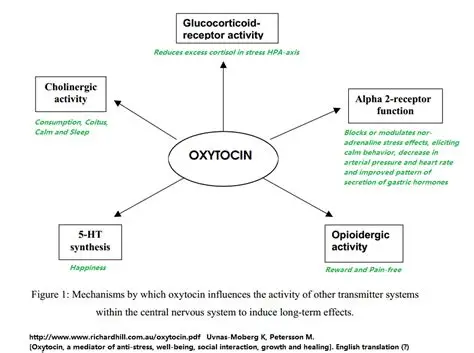
Oxytocin Acetate research shows strong evidence for stress modulation: it reduces cortisol, dampens amygdala hyperactivity, and promotes resilience by shifting the body’s stress set‑point (allostasis) and supporting recovery through active coping responses. Clinical trials suggest benefits in stress‑related disorders, though long‑term effects remain under investigation.
🔬 Mechanisms of Stress Modulation
- Hypothalamic Release: Oxytocin neurons in the paraventricular nucleus (PVN) are activated by stress, releasing oxytocin into circulation and brain regions.
- Cortisol Regulation: Intranasal oxytocin reduces cortisol levels, lowering the physiological stress response.
- Amygdala Modulation: Oxytocin dampens amygdala activity, reducing fear and anxiety responses.
- Allostasis & Resilience: Research shows oxytocin shifts the stress set‑point (allostasis) and promotes resilience by enabling active coping strategies.
📊 Research Results
- Acute Stress: Single‑dose studies demonstrate reduced cortisol and improved emotional regulation.
- Chronic Stress: Evidence suggests oxytocin supports recovery from prolonged stress exposure, though receptor sensitivity may change with long‑term use.
- Neurocircuit Remodeling: Stress induces oxytocin‑dependent remodeling of astrocytes, altering brain circuits to improve behavioral responses under pressure.
- Clinical Trials: Early human studies show therapeutic benefits in stress‑related disorders, including anxiety and PTSD.
⚖️ Benefits Observed
- Reduced Cortisol: Lower stress hormone levels.
- Improved Coping: Enhanced resilience and active stress management.
- Emotional Regulation: Better control of fear and anxiety responses.
- Potential Therapeutic Use: Benefits reported in stress‑related disorders.
⚠️ Limitations & Risks
- Mixed Long‑Term Data: Chronic administration studies show variable outcomes.
- Receptor Sensitivity: Prolonged exposure may alter oxytocin receptor responsiveness.
- Regulatory Status: Oxytocin Acetate is used in research settings; not FDA‑approved for stress treatment.
- Individual Variability: Effects differ across populations and contexts.
📚 Educational Insights
Oxytocin Acetate research highlights how a neuropeptide can act as both a social bonding agent and a stress modulator. Its ability to regulate cortisol, reshape brain circuits, and promote resilience makes it a valuable case study in neuroendocrinology and stress physiology. For educational purposes, it demonstrates how peptide signaling bridges psychological adaptation and biological homeostasis.