
For researchers, knowing how to store research peptides for long-term stability is as critical as the synthesis itself. Improper storage can lead to degradation, especially for sensitive compounds. This is a common concern for those who buy Semaglutide peptides or Retatrutide.
Storage Best Practices
- Lyophilized powder: Store at -20°C for long-term.
- Reconstituted peptides: Keep at 2-8°C and use within 30 days.
- Avoid light exposure and frequent freeze-thaw cycles.
How to Store Research Peptides for Long‑Term Stability
❄️ 1. Temperature Control
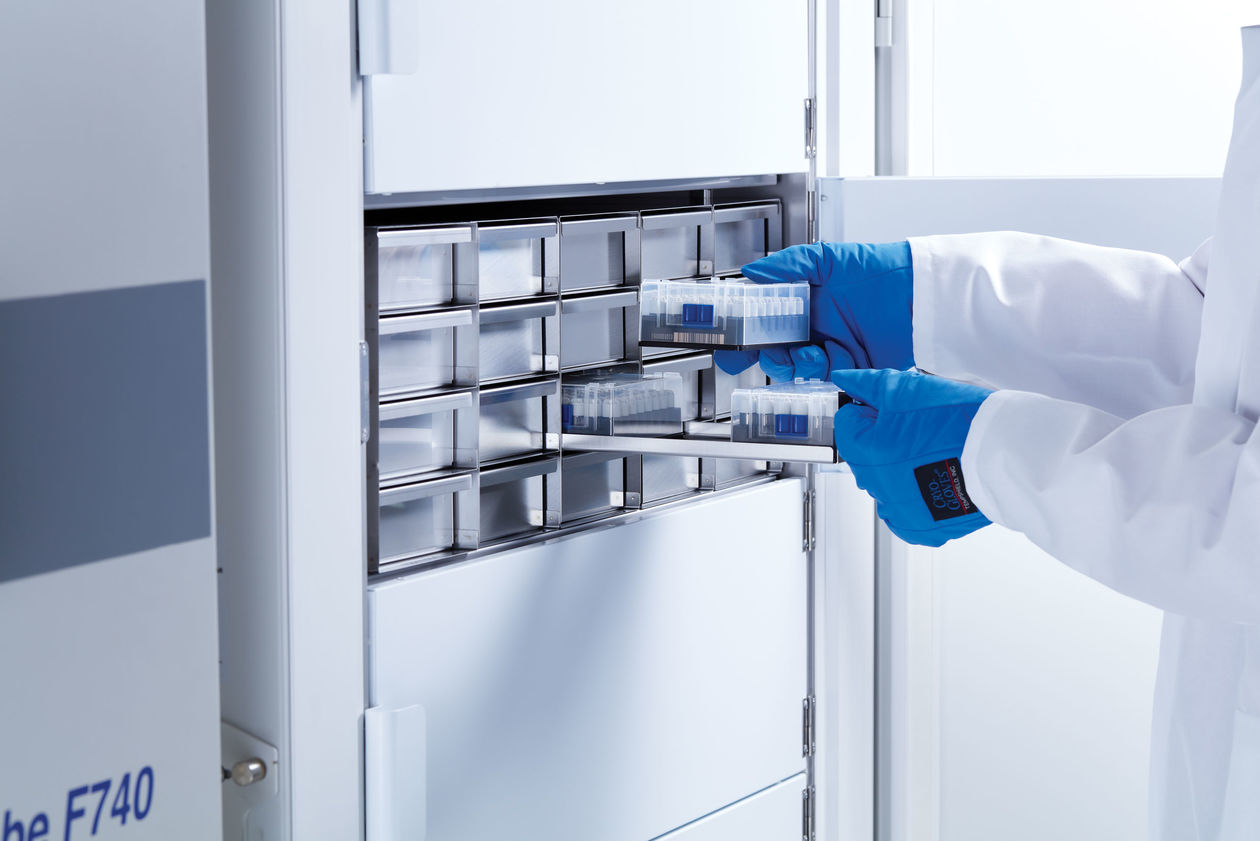
- Lyophilized (powder form): Store at −20 °C or lower (deep freezer). This prevents degradation and maintains structural integrity.
- Reconstituted (liquid form): Keep at 4 °C (refrigerator) for short‑term use (days to weeks). For longer storage, aliquot and freeze at −20 °C or −80 °C.
🧴 2. Container & Packaging
- Use airtight, sterile vials to prevent contamination.
- Avoid repeated freeze‑thaw cycles by aliquoting into smaller volumes.
- Protect from light exposure (wrap vials in foil or use amber containers).
💧 3. Solvent Considerations
- Reconstitute peptides with sterile water or buffer only when ready for use.
- Avoid repeated thawing; thaw aliquots once and use immediately.
- Do not store peptides long‑term in acidic or basic solutions unless validated for stability.
📊 4. Labeling & Documentation
- Clearly mark peptide name, batch number, concentration, and date of preparation.
- Maintain a storage log to track conditions and usage.
- Ensure compliance notes are visible: “For Research Use Only. Not for Human or Veterinary Use.”
⚠️ 5. Stability Risks
- Moisture: Can degrade lyophilized peptides; always keep sealed.
- Heat: Accelerates breakdown; avoid room‑temperature storage.
- Light & Oxygen: Cause oxidation; store in dark, airtight conditions.
📚 Educational Insight
Proper peptide storage is about controlling temperature, minimizing degradation pathways, and preventing contamination. Lyophilized peptides are most stable when frozen, while reconstituted peptides require careful aliquoting and refrigeration. Following these practices ensures long‑term stability and reproducibility in research experiments.
✅ In summary: Store lyophilized peptides at −20 °C or lower, reconstituted peptides at 4 °C short‑term or −80 °C long‑term, always aliquot to avoid freeze‑thaw cycles, and protect from light, moisture, and oxygen.