

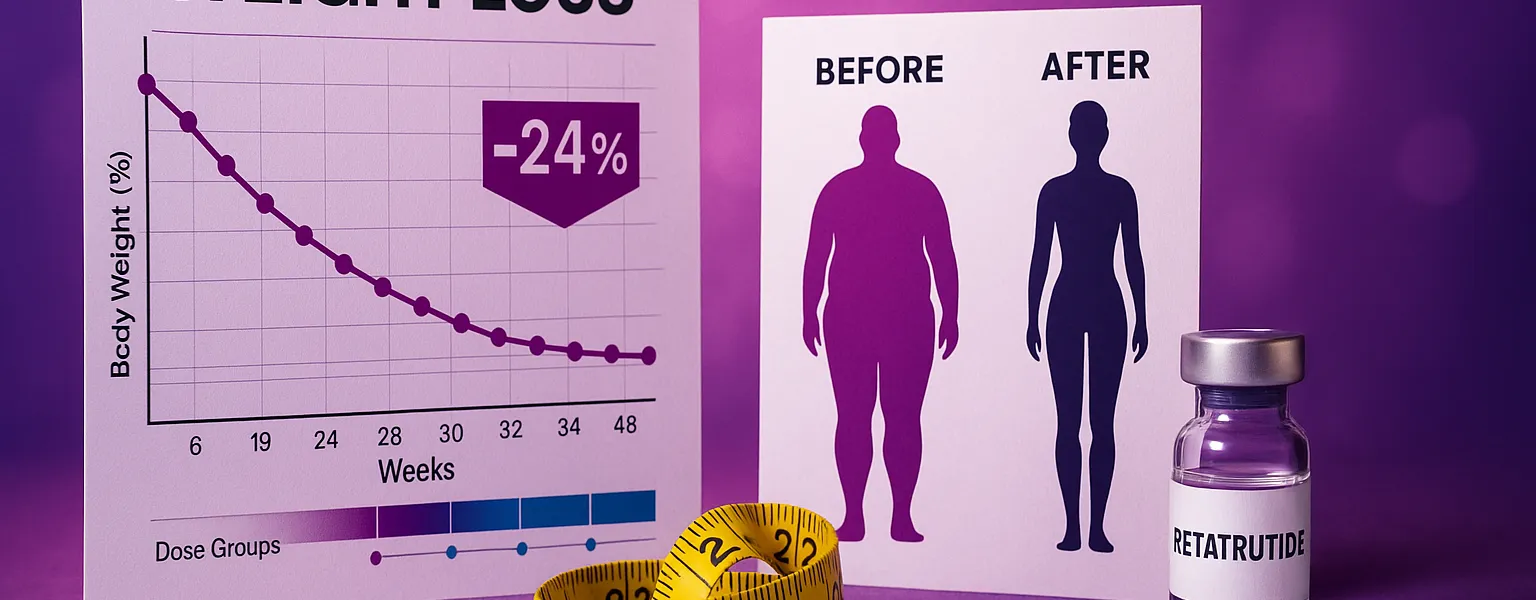
The Retatrutide research results for weight loss studies have shown unprecedented data in 2026. As a triple-agonist, it outperforms previous generations of GLP-1s. If you are comparing data, you may want to look at our Retatrutide vs Semaglutide comparison.
Why Retatrutide is Different
By targeting the Glucagon receptor alongside GLP-1 and GIP, it increases energy expenditure. Researchers can find more info on sourcing in our guide on where to buy retatrutide peptides.
Retatrutide Research Results for Weight Loss
🔬 Mechanism of Action
Retatrutide is a triple‑agonist peptide that activates:
- GLP‑1 receptors → appetite suppression, slowed gastric emptying.
- GIP receptors → improved insulin sensitivity and lipid metabolism.
- Glucagon receptors → increased energy expenditure and fat oxidation.
This multi‑pathway approach makes Retatrutide more potent than single‑agonist therapies like Semaglutide.
📊 Clinical Trial Findings
- Phase 2 Trial (2023):
- Participants with obesity lost up to 24% of body weight over 48 weeks.
- Average reduction was ≈58 lbs (26 kg) in higher‑dose groups.
- Improvements in blood pressure, triglycerides, and cholesterol were also observed.
- Phase 3 TRIUMPH‑4 Trial (2025):
- Showed 28.7% average weight loss (~71 lbs) at 68 weeks.
- Patients reported reduced osteoarthritis pain and improved physical function.
- Significant reductions in systolic blood pressure (−14 mmHg) and non‑HDL cholesterol.
⚖️ Benefits Observed
- Superior Weight Loss: Nearly double the reduction compared to Semaglutide.
- Metabolic Improvements: Better lipid profiles, lower blood pressure, improved insulin sensitivity.
- Quality of Life Gains: Reduced joint pain, improved mobility, and enhanced physical function.
⚠️ Limitations & Risks
- Side Effects: Gastrointestinal symptoms (nausea, vomiting, diarrhea) and dysesthesia (tingling sensations) in some patients.
- Regulatory Status: Retatrutide is still investigational; FDA approval is expected around 2027.
- Long‑Term Data: More studies are needed to confirm durability of weight loss and safety beyond 2 years.
📚 Educational Insight
Retatrutide represents a next‑generation obesity therapy, showing unprecedented weight‑loss results by combining three receptor pathways. While Semaglutide set the standard, Retatrutide’s trial data suggest it could redefine the ceiling of pharmacological weight management once approved.
✅ In summary: Retatrutide research demonstrates 28–29% average weight loss, major metabolic improvements, and enhanced quality of life in obesity trials. It is not yet available commercially but is considered one of the most promising investigational peptides in metabolic research.






3 thoughts on “Retatrutide Research Results for Weight Loss”