

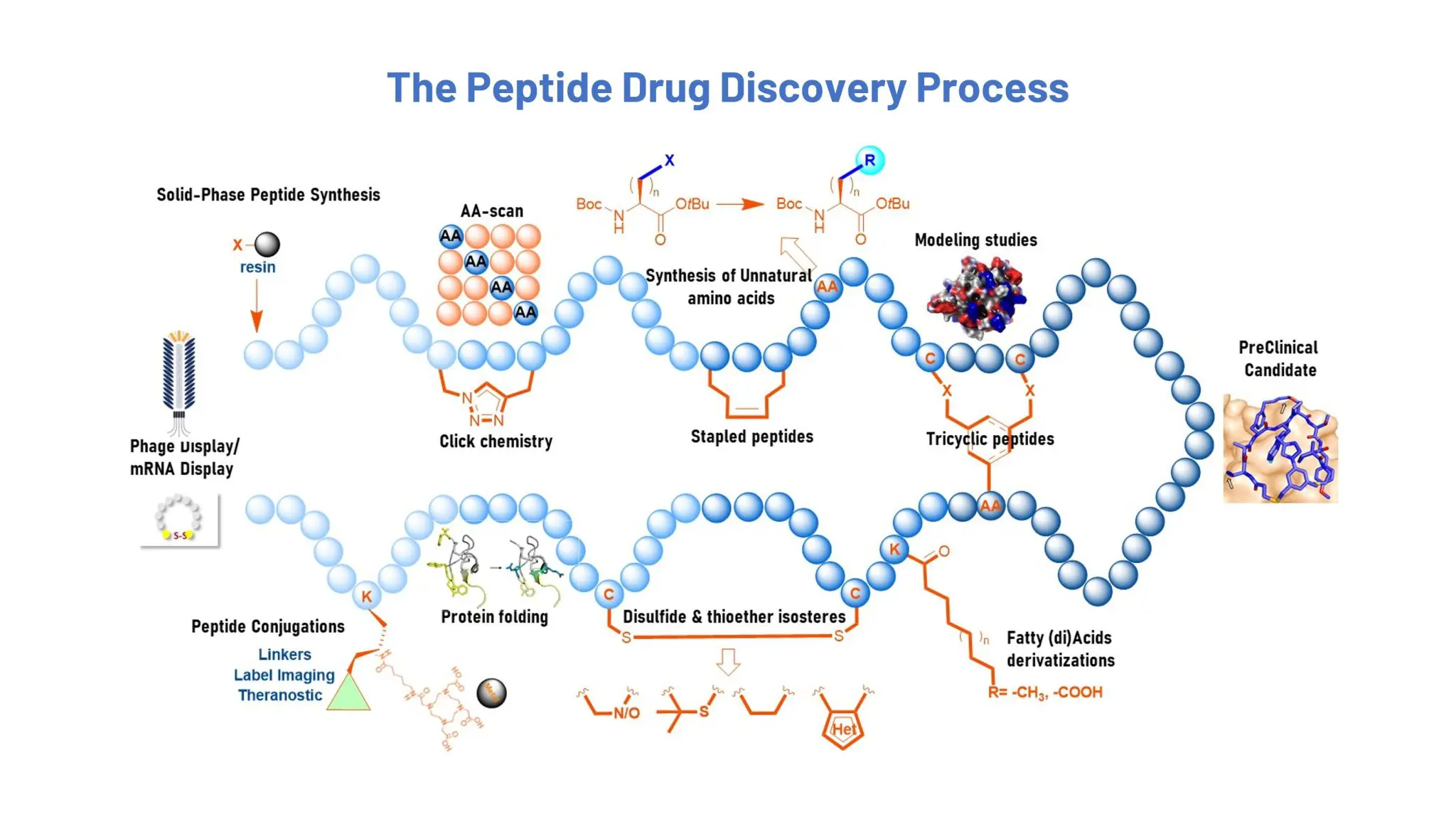
Understanding how to cycle research peptides for metabolic studies is a key skill for optimizing 2026 lab protocols. Proper cycling prevents receptor desensitization, especially with GLP-1 agonists. This is crucial for those working with Tirzepatide or Retatrutide.
Cycling Protocols in 2026
Most research models suggest a 5-day on, 2-day off protocol for GHS, while metabolic agents require steady titration. See our reconstitution guide for preparation tips.
How to Cycle Research Peptides: An Advanced Educational Guide
1. Introduction: Why Cycling Matters
Peptides are short chains of amino acids that act as biological messengers. In research contexts, they are studied for their ability to influence metabolism, tissue repair, cognition, and immune function. One of the most critical aspects of peptide research is cycling — the structured scheduling of peptide exposure, withdrawal, and reintroduction. Cycling is not casual use; it is a scientific methodology designed to observe biological adaptation, receptor sensitivity, and long‑term outcomes.
Understanding how to cycle peptides is essential for researchers because continuous exposure can lead to receptor desensitization, tolerance, or skewed data. Cycling allows scientists to capture both acute effects and post‑withdrawal phenomena, making it a cornerstone of peptide study design.
2. Fundamentals of Peptide Cycling
Cycling refers to the planned administration and withdrawal of peptides in controlled research. For example, a peptide may be studied for 8 weeks, followed by a 4‑week washout period. This enables researchers to observe both immediate biological responses and rebound effects once the peptide is withdrawn.
Key principles:
- Receptor Biology: Continuous stimulation can cause receptor downregulation, reducing responsiveness. Cycling prevents this.
- Homeostasis: Biological systems strive for balance. Cycling helps researchers study how peptides disrupt or restore equilibrium.
- Comparative Analysis: Cycling allows comparison between “on‑cycle” and “off‑cycle” states, strengthening data validity.
3. Categories of Research Peptides
Different peptides require different cycling strategies.
- Metabolic Peptides (AOD‑9604, Tesamorelin, BPC‑157): Studied for fat metabolism, glucose regulation, and tissue repair.
- Cognitive Peptides (Selank, Semax): Investigated for effects on neurotransmitters, stress response, and memory.
- Regenerative Peptides (Epithalon, Thymosin Beta‑4): Explored for cellular longevity, angiogenesis, and tissue regeneration.
- Immune‑Modulating Peptides: Examined for their role in balancing immune responses and inflammation.
Each category has unique half‑lives, receptor targets, and biological endpoints, making cycling a tailored process.
4. Scientific Principles Behind Cycling
Cycling is grounded in pharmacokinetics and receptor dynamics:
- Half‑Life & Clearance: Determines how long a peptide remains active. Short half‑life peptides may require daily cycling; longer ones may need extended washouts.
- Receptor Binding: Continuous binding can desensitize receptors. Cycling restores sensitivity.
- Upregulation vs Downregulation: Some peptides increase receptor density; others reduce it. Cycling balances these effects.
- Off‑Periods: Essential for resetting biological systems and preventing skewed results.
5. General Research Cycling Strategies
Researchers employ different cycling strategies depending on study goals:
- Short Cycles (2–4 weeks): Useful for acute studies, metabolic peptides, or stress‑response peptides.
- Medium Cycles (8–12 weeks): Common for regenerative peptides and tissue repair studies.
- Long Cycles (16–24 weeks): Applied in aging research or chronic condition models.
- Washout Phases: Periods of withdrawal to reset receptor sensitivity and observe rebound effects.
6. Case Studies (Educational Examples)
- BPC‑157: Studied in tissue repair; cycling helps observe both immediate healing and long‑term regeneration.
- AOD‑9604: Investigated for fat metabolism; cycles reveal metabolic adaptation and rebound lipogenesis.
- Epithalon: Explored in aging research; long cycles with washouts help track telomere activity.
- Selank: Studied for stress and cognition; short cycles highlight neurotransmitter modulation.
7. Advanced Considerations
- Stacking Peptides: Researchers sometimes study combinations (e.g., BPC‑157 + Thymosin Beta‑4). Cycling ensures synergistic effects are measured without overlap.
- Biomarker Monitoring: Glucose, lipid profiles, inflammatory markers, and receptor density are tracked during cycles.
- Ethical Boundaries: Cycling must remain within research compliance; peptides are not FDA‑approved for therapeutic use.
8. Risks & Limitations
- Regulatory Status: Most peptides are not approved for medical use.
- Unknown Long‑Term Effects: Extended cycling beyond trial durations is uncharted.
- Misinterpretation: Improper cycling can lead to false conclusions.
- Data Integrity: Washouts are critical; skipping them compromises results.
9. Educational Applications
Cycling peptides is not only a research method but also an educational tool:
- Universities: Teach pharmacokinetics and receptor biology through peptide cycling models.
- Labs: Train researchers in study design, biomarker monitoring, and ethical compliance.
- Case Studies: Provide real‑world examples of adaptation, tolerance, and biological reset.
10. Conclusion
Cycling research peptides is a scientific necessity. It ensures receptor sensitivity, prevents tolerance, and strengthens data integrity. While peptides like AOD‑9604, BPC‑157, Selank, and Epithalon show promise in research, their cycling strategies highlight the complexity of biological systems.
For educational purposes, peptide cycling serves as a case study in pharmacology, biochemistry, and research ethics — demonstrating how structured exposure and withdrawal can reveal the true potential of these molecules.










One thought on “How to Cycle Research Peptides – 2026 Metabolic Protocols”