
Analyzing HCG research results for hormone balance is a cornerstone of endocrine studies in 2026. Human Chorionic Gonadotropin is frequently researched for its ability to mimic LH and maintain intratesticular testosterone. This is a vital component for researchers also investigating Tesamorelin research benefits.
Endocrine Research Focus
HCG studies in 2026 focus on preserving fertility and hormonal homeostasis during metabolic research. For sourcing information, refer to our USA peptide vendor list.
HCG Research Results for Hormone Balance: An Advanced Educational Guide
1. Introduction
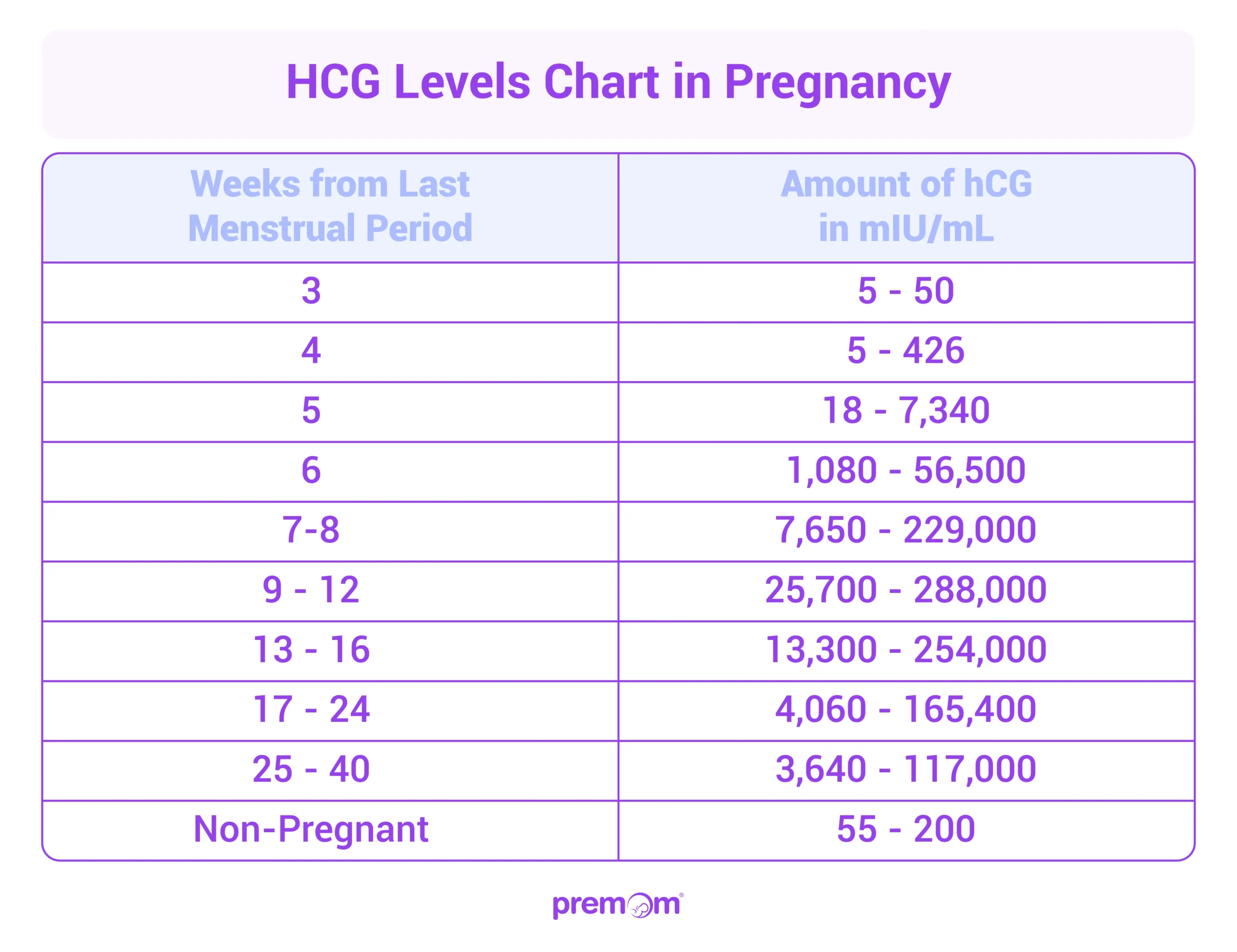
Human Chorionic Gonadotropin (hCG) is a glycoprotein hormone most widely recognized as the “pregnancy hormone.” It is produced by the placenta shortly after implantation and plays a critical role in maintaining early pregnancy. Beyond its reproductive role, hCG has been extensively studied for its impact on hormone balance, particularly its ability to mimic luteinizing hormone (LH), regulate ovarian function, and support endocrine stability.
This article explores research findings on hCG, its mechanisms, applications in reproductive medicine, and emerging insights into immune modulation and hormone regulation.
2. Biological Role of hCG
- Structure: hCG consists of alpha and beta subunits, similar to LH, FSH, and TSH.
- Function: It binds to LH receptors, stimulating the corpus luteum to produce progesterone.
- Pregnancy Maintenance: Ensures the uterine lining remains receptive for embryo implantation.
- Hormone Balance: Acts as a stabilizer in the delicate interplay of estrogen, progesterone, and LH.
3. Research Results in Hormone Balance
3.1 Ovulation Induction
- hCG mimics the natural LH surge, triggering final follicle maturation and ovulation.
- Widely used in assisted reproduction protocols (IVF, IUI).
3.2 Oocyte Maturation
- Research confirms hCG promotes oocyte maturation, fertilization, and synchrony of the endometrium.
- Ensures proper timing between ovulation and uterine receptivity.
3.3 Pregnancy Maintenance
- hCG supports corpus luteum function, sustaining progesterone production.
- Prevents luteal phase deficiency, a common cause of early miscarriage.
3.4 Immune Modulation
- Emerging studies suggest hCG reduces maternal immune rejection of the embryo.
- Potential applications in transplant medicine as an anti‑rejection agent.
3.5 Variants of hCG
- Hyperglycosylated hCG: Linked to placental development and possibly human brain evolution.
- Free β‑hCG: Studied as a marker in certain cancers.
4. Applications in Research
| Area | hCG Role | Outcome |
|---|---|---|
| Assisted Reproduction | Mimics LH surge | Induces ovulation, supports IVF protocols |
| Early Pregnancy | Maintains corpus luteum | Ensures progesterone production |
| Placental Development | Hyperglycosylated hCG | Supports implantation and brain development |
| Immunology | Immune tolerance | Reduces maternal rejection of embryo |
| Experimental Medicine | Anti‑rejection agent | Potential use in organ transplantation |
5. Risks & Limitations
- Not FDA‑approved for weight loss or non‑reproductive uses.
- Variable responses: Different patients show varied receptor expression, affecting outcomes.
- Research Stage: Immune‑modulating and non‑traditional applications remain experimental.
- Ethical Boundaries: Misuse outside research or approved protocols can lead to misinformation.
6. Educational Insights
- hCG is more than a pregnancy marker; it is a multifunctional hormone with roles in reproduction, immune tolerance, and placental biology.
- Its ability to mimic LH makes it invaluable in assisted reproduction research.
- Future studies may expand its role into transplant medicine and broader hormone balance applications.
7. Conclusion
Research on hCG demonstrates its central role in hormone balance, from ovulation induction to pregnancy maintenance and immune modulation. While its primary use remains in reproductive medicine, emerging findings suggest broader applications in immunology and endocrinology.
For educational purposes, hCG serves as a case study in hormone regulation, illustrating how a single molecule can orchestrate complex biological processes and inspire new therapeutic possibilities.