
The Oxytocin Acetate research results for social cognition have gained significant traction in 2026 behavioral studies. Often called the “bonding molecule,” its role in modulating amygdala activity is a primary focus. Researchers sourcing this compound often also look into longevity research peptides for comprehensive wellness models.
Behavioral Research Applications
Oxytocin Acetate is being studied for its impact on trust, empathy, and social anxiety models. Ensure purity by following our peptide purity verification guide.
Oxytocin Acetate Research Results: Advanced Educational Insights
1. Introduction
Oxytocin is a peptide hormone and neuropeptide synthesized in the hypothalamus and released via the posterior pituitary. Known colloquially as the “love hormone,” it has been studied for decades for its role in social bonding, reproduction, and emotional regulation. In research, oxytocin is often used in its acetate salt form — Oxytocin Acetate — which stabilizes the molecule for laboratory use, ensuring reproducibility and accuracy in experiments.
This article explores research results on Oxytocin Acetate, covering its effects on behavior, physiology, immune function, and potential therapeutic applications.
2. Biological Role of Oxytocin
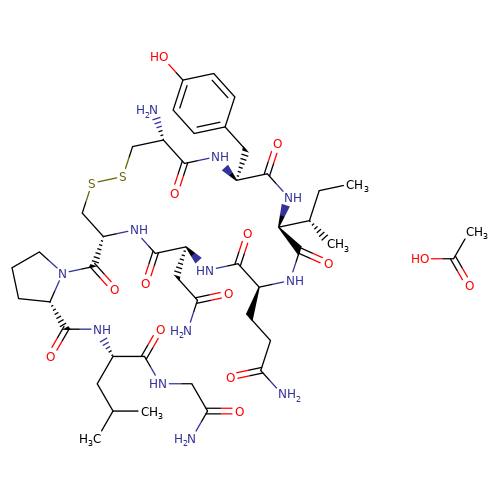
- Structure: A nonapeptide (9 amino acids) with a disulfide bond.
- Production: Synthesized in the paraventricular and supraoptic nuclei of the hypothalamus.
- Release: Secreted into the bloodstream via the posterior pituitary and also acts as a neurotransmitter in the brain.
- Acetate Form: The acetate salt enhances stability, preventing degradation during storage and handling.
3. Research Results
3.1 Social & Behavioral Effects
- Bonding & Trust: Oxytocin enhances maternal bonding, pair bonding, and trust in controlled experiments.
- Stress Regulation: Intranasal oxytocin reduces cortisol levels, improving resilience to stress.
- Cognition: Studies show improved emotional recognition and empathy, particularly in individuals with social deficits.
3.2 Physiological Effects
- Immune Function: Oxytocin receptors are expressed on immune cells; research indicates anti‑inflammatory potential.
- Gut & Metabolism: Evidence links oxytocin to gastrointestinal motility and metabolic regulation.
- Cardiac Tissue: Receptor distribution in the heart suggests roles in cardiovascular adaptation and repair.
3.3 Chronic Administration Studies
- Mixed Findings: Single‑dose studies consistently show benefits, but chronic administration results vary.
- Tolerance & Regulation: Long‑term exposure may alter receptor sensitivity, requiring more systematic trials.
- Future Directions: Researchers call for standardized protocols to clarify long‑term effects in humans.
4. Benefits Observed
- Enhanced social bonding and emotional regulation.
- Reduced stress hormone levels.
- Potential anti‑inflammatory and immune‑modulating effects.
- Improved gastrointestinal and cardiovascular function in preclinical models.
5. Risks & Limitations
- Not FDA‑approved for therapeutic use.
- Mixed long‑term data: Chronic administration studies show inconsistent results.
- Population Variability: Effects differ across individuals and contexts.
- Research Stage: Most findings remain preclinical or early clinical.
6. Educational Insights
Oxytocin Acetate is a multifunctional neuropeptide with broad research applications in psychology, immunology, and physiology. Its acetate form ensures stability and reproducibility in laboratory studies.
For educational purposes, oxytocin research demonstrates how a single peptide can bridge behavioral science and biomedical research, offering insights into both social bonding and systemic regulation.
7. Conclusion
Oxytocin Acetate research results highlight its dual role as a social neuropeptide and systemic regulator. While its most famous effects involve bonding and trust, emerging data show influence on immune function, metabolism, and cardiovascular health.
Future research will determine whether oxytocin can be harnessed for therapeutic use in conditions ranging from social disorders to inflammatory diseases, but for now, it remains a powerful tool in advancing our understanding of hormone‑driven behavior and physiology.