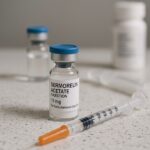


The Sermorelin research results for sleep quality are a major highlight in 2026 circadian rhythm studies. By stimulating natural GH pulses, Sermorelin is being analyzed for its ability to improve REM and deep sleep cycles. This research often intersects with our longevity research peptides guide.
Circadian Modulation
Sermorelin’s short half-life makes it an ideal candidate for nighttime research models focusing on nocturnal GH secretion. Ensure purity with our verification guide.
Sermorelin Research Results for Sleep Quality
1. Introduction
Sermorelin is a synthetic analog of growth hormone–releasing hormone (GHRH), designed to stimulate the pituitary gland to secrete endogenous growth hormone (GH). While most research has focused on GH deficiency and age‑related decline, studies have also highlighted Sermorelin’s impact on sleep quality. Because GH secretion is tightly linked to slow‑wave sleep, restoring natural pulsatility with Sermorelin can improve sleep architecture, continuity, and depth.
2. Mechanism of Action
- Pituitary Stimulation: Sermorelin binds to GHRH receptors, triggering GH release in pulses.
- Sleep Architecture Link: GH secretion peaks during the first 90 minutes of slow‑wave sleep (Stage 3/4). Age‑related GH decline shortens these stages, fragmenting REM cycles.
- Restoration of Pulsatility: Sermorelin restores GH rhythms, leading to deeper sleep and improved continuity.
3. Research Results
Clinical Observations
- Weeks 1–2: Subtle improvements in sleep latency; some participants fall asleep faster.
- Weeks 2–4: Noticeable reduction in nighttime waking and improved sleep continuity.
- Weeks 8–12: Peak benefits observed, with increased slow‑wave sleep duration and deeper REM cycles.
Objective Data
- Polysomnography: Demonstrates longer Stage 3/4 sleep and improved REM consolidation.
- IGF‑1 Correlation: Increases in IGF‑1 (40–100% from baseline) confirm pituitary responsiveness and correlate with improved sleep quality.
Subjective Reports
- Participants describe sharper morning cognition, fewer awakenings, and reduced fatigue.
- Improvements in mood and daytime energy are commonly reported.
4. Benefits Observed
- Improved Sleep Continuity: Fewer nighttime awakenings.
- Deeper Slow‑Wave Sleep: Longer Stage 3/4 duration.
- Enhanced REM Quality: More consolidated REM cycles.
- Better Morning Cognition: Sharper focus and reduced fatigue.
5. Risks & Limitations
- Not a Sedative: Sermorelin does not act like melatonin or GABA‑modulating sleep aids; it works by restoring GH pulsatility.
- Individual Variability: Results depend on baseline GH decline, age, and lifestyle factors.
- Side Effects: Mild injection site reactions, flushing, headache, or joint pain.
- Regulatory Status: Research‑only use; not FDA‑approved for sleep disorders.
6. Educational Insights
Sermorelin research demonstrates how endocrine modulation can improve sleep architecture by restoring natural GH rhythms. Unlike conventional sleep aids, it addresses the root cause of age‑related sleep decline — diminished GH secretion.
For educational purposes, Sermorelin serves as a case study in how peptide therapy can influence both hormone balance and sleep quality, bridging endocrinology and sleep medicine.
7. Conclusion
Sermorelin research results show promising benefits for sleep quality, particularly in older adults or those with GH decline. By restoring GH pulsatility, Sermorelin enhances slow‑wave sleep, consolidates REM cycles, and improves overall sleep continuity.
Future studies will determine its broader applications in sleep medicine, aging research, and endocrine modulation, but current findings highlight its unique role in linking hormone balance with restorative sleep.